Exploring Hacivat and Karagoz: A Timeless Shadow Play with a Modern Twist
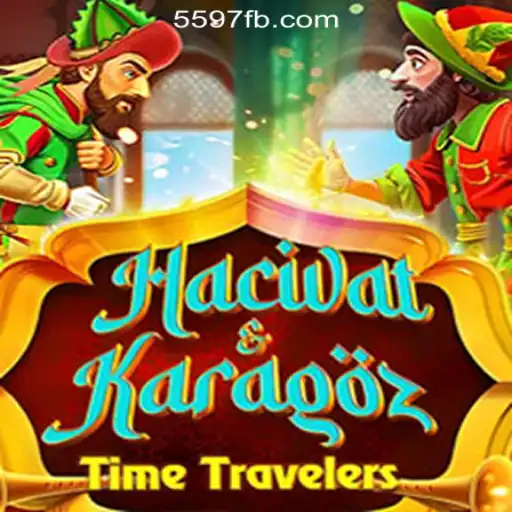
Introduction to Hacivat and Karagoz
Hacivat and Karagoz, a revered traditional Turkish shadow play, captures the cultural essence of Turkey through its remarkable storytelling and entertaining characters. This form of entertainment dates back to the Ottoman era, encapsulating timeless tales that have amused audiences for centuries. Known for its witty dialogues and humorous character interplay, Hacivat and Karagoz continue to thrive as a beloved art form, with its influence perceptible in modern entertainment forms.
The Rich History of Hacivat and Karagoz
The roots of Hacivat and Karagoz can be traced back to the 16th century when it became a staple in the public and private entertainment spaces of the Ottoman Empire. The art form is named after its two main characters, Hacivat, the educated and articulate one, and Karagoz, the witty and comical counterpart. Their dynamic represents societal contrasts, offering not only amusement but also social commentary, resonating with audiences from varied backgrounds.
Traditionally, these performances were conducted using a light source and a screen to project shadows made by intricately designed figures. This minimalist technique created an immersive experience, captivating the audience’s imagination. The shadow play was often accompanied by live music, enhancing the performance's emotional depth and cultural resonance.
The Art of Shadow Play
Hacivat and Karagoz employ a unique art form where puppeteers bring characters to life using hand-crafted leather puppets. These puppets are made translucent by the thinness of the skin, allowing light to shine through and create vibrant imagery on the screen. Each performance showcases articulate puppetry skills, with puppeteers voicing multiple characters and providing sound effects, creating a multifaceted auditory and visual experience.
The shadow play is not just an exhibit of puppet mastery but also an art of vocal impersonations. Puppeteers, known as the 'Hayali', are trained extensively to maintain this traditional art form, often passing it down through generations, ensuring the continuity of this cultural legacy.
Enduring Relevance in Contemporary Times
The cultural significance of Hacivat and Karagoz extends beyond mere entertainment. It represents an artistic harmony between satire and moral lessons, often reflecting current social dynamics. In modern Turkey, it is preserved and celebrated during festivals and special events, serving as a testament to the nation’s rich cultural tapestry.
Even as modern entertainment forms evolve, Hacivat and Karagoz remain relevant by adapting to contemporary themes, making it a bridge between the past and the present. This adaptability ensures that the traditional art form continues to appeal to diverse audiences, resonating particularly within educational settings where moral values are emphasized through engaging narratives.
The Influence of Online Platforms
In today's digitally connected world, traditional games and plays like Hacivat and Karagoz have found new platforms, reaching global audiences through online mediums. Enthusiasts have taken the initiative to preserve and share these performances through digital archives and streaming platforms, expanding their reach far beyond traditional geographic and cultural confines.
Moreover, the rise of online gaming platforms such as 5597.com Online Cassino Brasil #1 showcases how traditional games can inspire modern adaptations and interpretations, weaving cultural heritage into the fabric of new-age entertainment. As these platforms grow, they present opportunities for traditional arts to influence and be influenced by modern contexts, allowing cultural expressions to evolve with time.
Rules of Engagement: Understanding Hacivat and Karagoz
In traditional performances, Hacivat and Karagoz narratives unfold in acts, each characterized by vibrant exchanges and unfolding plots. The stories often commence with a prologue, where Hacivat introduces the storyline, setting the scene for the ensuing drama. His articulate manner contrasts sharply with Karagoz's raw humor, which dominates the subsequent interactions.
The narrative typically progresses through humor-laden dialogues, slapstick humor, and socio-political satire, inviting the audience into a world reflective of real-life scenarios while delivering life lessons. Performances often conclude with a resolution or a moral takeaway, leaving audiences both entertained and contemplative.
An Invitation to Experience Tradition
For those intrigued by cultural narratives and the timelessness of traditional art forms, exploring Hacivat and Karagoz offers an enriching experience. Whether witnessed in a traditional setting or through modern digital representations, this shadow play presents an opportunity to appreciate the dexterity of artistic expressions that continue to cross generational and cultural boundaries.
